By Barbara & Scott Siegel…
Let’s take a look at The Queen of Versailles, Proof, Beaches, Fallen Angels, The Fear of 13, and Giant
What we’re about to tell you is true about this year’s big shows on Broadway — and pretty much every show, every year — past, present, and future. With few exceptions, the shows that get rave reviews aren’t as great as the write-ups make them out to be, and the shows that get driven out of business are almost never as bad as the critics would have you believe, either. Most of the time, shows are either very good or sadly disappointing. Brilliant does not happen very often, and terrible is just as rare. A lousy show can be buoyed by great performances. A terrific show will, more than likely, still have its flaws. In the end, critics, like audiences, get enthusiastic about what they like and tend to overpraise, and if we don’t like something, the knives come out and the baby gets tossed out with the bathwater. Let’s look at some of this season’s examples of both…
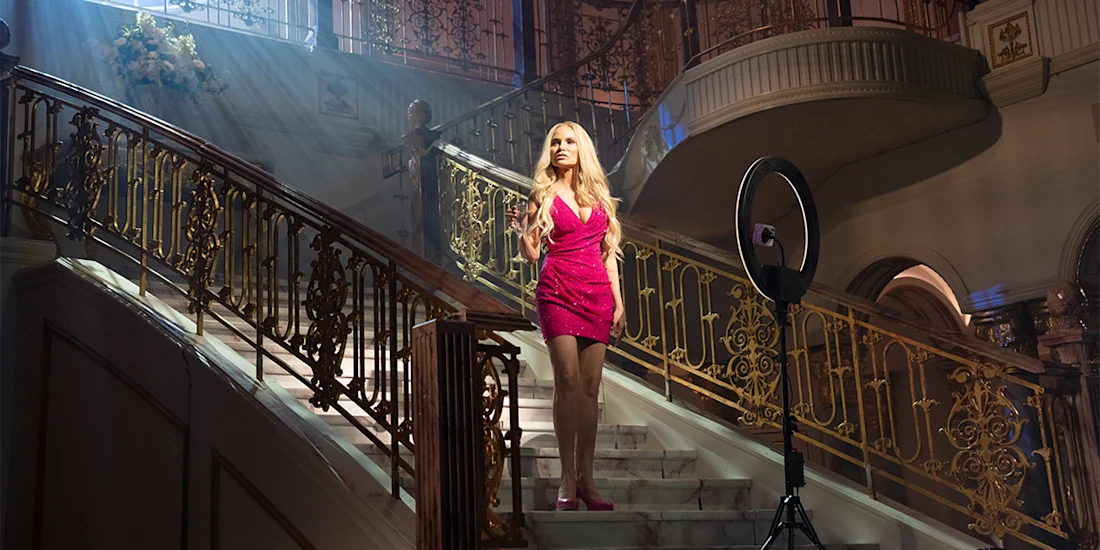
Probably the biggest critical and commercial bomb of the season was The Queen of Versailles. It had everything going for it — a score by Stephen Schwartz and the return of Kristen Chenoweth to the stage — not to mention Oscar winner F. Murray Abraham in a leading role. But some unholy combination of political backlash against Chenowith and envy of Schwartz’s success with Wicked (critics love to build folks up only to tear them down), started an avalanche of negativity from which the show could not recover. Mind you, we’re not saying that it was especially wonderful; we’re just saying that there was plenty of wit, style, and intelligence built into Versailles and it didn’t deserve to close before it had a chance to find its audience.
Of the more recent openings, the revival of Proof starring Ayo Edebiri and Don Cheadle is a show that is sturdy but not as brilliant as it was once thought to be. Once you get past the narrative surprises of the play, there really isn’t that much more to be revealed or even to be discussed on the way home after the show. Compared to its contemporary plays, like Doubt, it just doesn’t measure up. The big HOWEVER, though, is the performance of Ayo Edebiri as the troubled daughter of her genius dad (Cheadle). She far outshines the memory of Mary Louise Parker in the same role. She is the reason to see the show.
One more point about Proof; while this happens to be the “Black” version of what was originally an all-white cast, it is entirely refreshing that absolutely nothing about the production makes an issue out of it.
Beaches got creamed by the press. Fallen Angels was much loved by the critics. A curious fact: both shows are about stalwart female friendships. While Beaches may well flounder on Broadway, it may well be successful over time in regional productions and eventually make its money back. But to our point, the show is cliche-ridden and full of mistakes (the child versions of the stars are completely unintelligible!), yet the show features a wonderfully delicate performance by Kelli Barrett in the Barbara Hershey role from the film, and a robust, fun performance by Jessica Vosk in the showier Bette Midler part. If you loved the movie, you’ll enjoy the musical. If you thought the movie was schlock, you’ll feel the same about the show. To give the musical it’s credit, it hewed pretty close to the film, and that’s what the audience for Beaches would want. Too bad the songs weren’t better, but this is an audience show, not a critics show.
On the other hand, Fallen Angels, a revival of a sly 1920’s Noel Coward play, has the advantage of its age. The male/female power dynamics of the show would otherwise be largely condemned by today’s critics, but letting it live in its own time and making no excuses for it, is a wise decision. Judicious cuts in the text, additional material by Claudia Shear, help make the show sail with loads of wit and some wonderful physical comedy.
Rose Byrne and Kelli O’Hara make a three-course meal out their roles. As we’ve written before, O’Hara is a gifted physical comedienne; it’s always a fun surprise to see this gifted, classy singer, performing some laugh-out-loud low comedy stunts.
Fallen Angels is an excellent revival, the kind of show that The Mint Theater Company might put on if it had a bigger budget. But kudos to The Roundabout Theatre Company, and director Scott Ellis for bringing this clever show to Broadway. It’s not a show that will set the world on fire, and you might forget most of the comedy in the morning, but you’ll be glad you saw it.
There are two shows that should be seen, if for nothing else, their lead performances. The Fear of 13 has a harrowing story to tell, and it tells it very well, but this prison story, in one form or another, has been told a thousand times. The details vary, of course, and that’s no small thing, but the real reason to see this show is to simply marvel at the brilliant acting of its star, Adrien Brody. He is sensational in the role. Great play? Not so much. But it’s a good, solid vehicle with enough surprises to keep you engaged while watching a terrific actor at the height of his powers. But what does the title mean? We have no idea -:).
The other show featuring a towering performance is Giant, starring John Lithgow. This could not be a more timely moment for this show to be on Broadway. The examination of anti-semitism in the life and work of famed children’s author Roald Dahl, is both a masterwork by playwright Mark Rosenblatt, and a genius performance by Lithgow.
Let us digress for a moment to make a point; 27 years ago we interviewed Woody Allen about his movie Sweet and Lowdown that starred Sean Penn as a brilliant jazz guitarist but a terrible human being. Woody told us that he had to change the ending, redeeming Penn’s character rather than leaving him at the end, sad and miserable, because audiences couldn’t accept the truth; that a great artist can be a terrible human being.
Well, Giant manages to do what Sweet and Lowdown did not. Perhaps there is more latitude in a play than in a movie, but we see the rot in Dahl’s soul; the cruelty, the meanness, even as we see his charm and wit. It is an achievement in both writing and acting. And it will not be to everyone’s taste. Some people do not like to see their idols brought down. Some people prefer the truth. See Giant and find out which camp you belong to.
The next column will cover Titanique, Schmigadoon, Rocky Horror, Death of a Salesman, and more!
Title image: Kristin Chenoweth in The Queen of Versailles (Photo: Julieta Cervantes)