By Andrew Poretz, with photos and videos by Melissa Griegel Photography
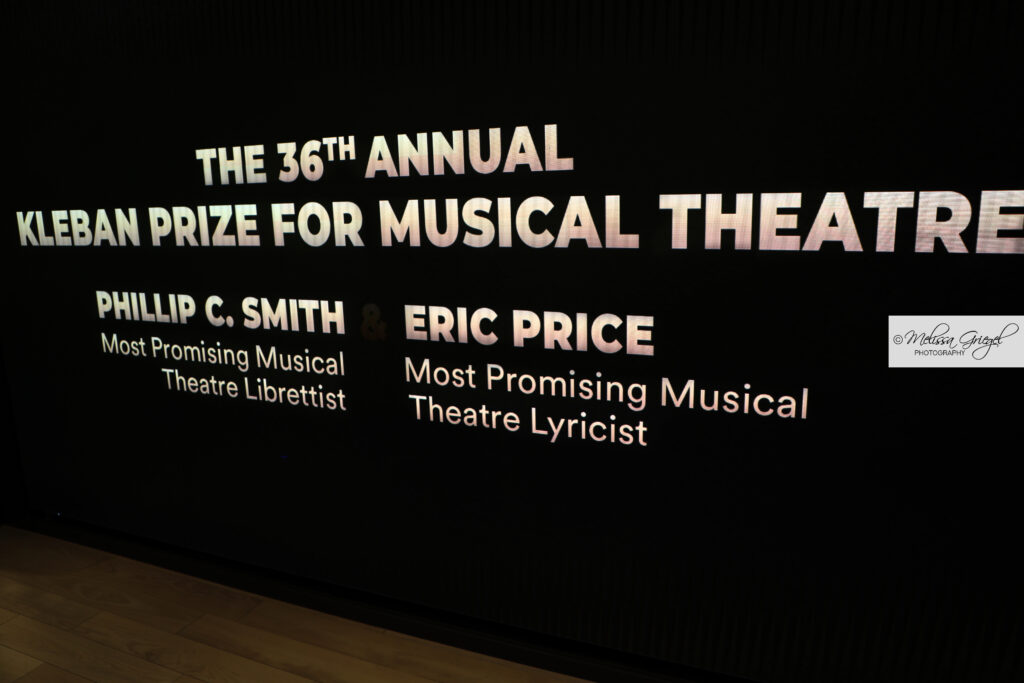
The 2026 Kleban Prize winners were presented at February 2nd at ASCAP’s Manhattan headquarters, with a tasty spread. The award was founded posthumously by Edward Kleban (1939-1987), best remembered as the Pulitzer Prize and Tony Award-winning lyricist of A Chorus Line. His will established and funded the Kleban Foundation and the Kleban Prize for Musical Theatre, administered by New Dramatists.
The awards, given each year to an emerging lyricist and librettist “of extraordinary promise,” gift each recipient $100,000, payable over two years. A Chorus Line made Kleban wealthy, and the show continues to generate new income for the Foundation, ensuring many more years of awards to come. The hour-long ceremony was hosted by the organization’s president, Richard Maltby, Jr. and vice president, Maury Yeston.
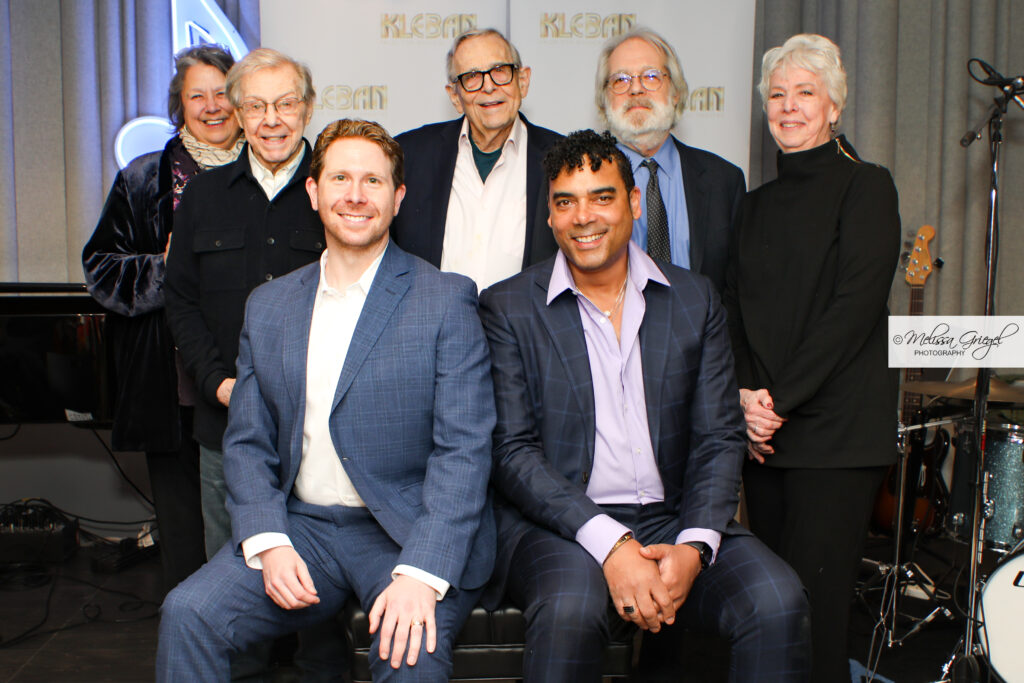
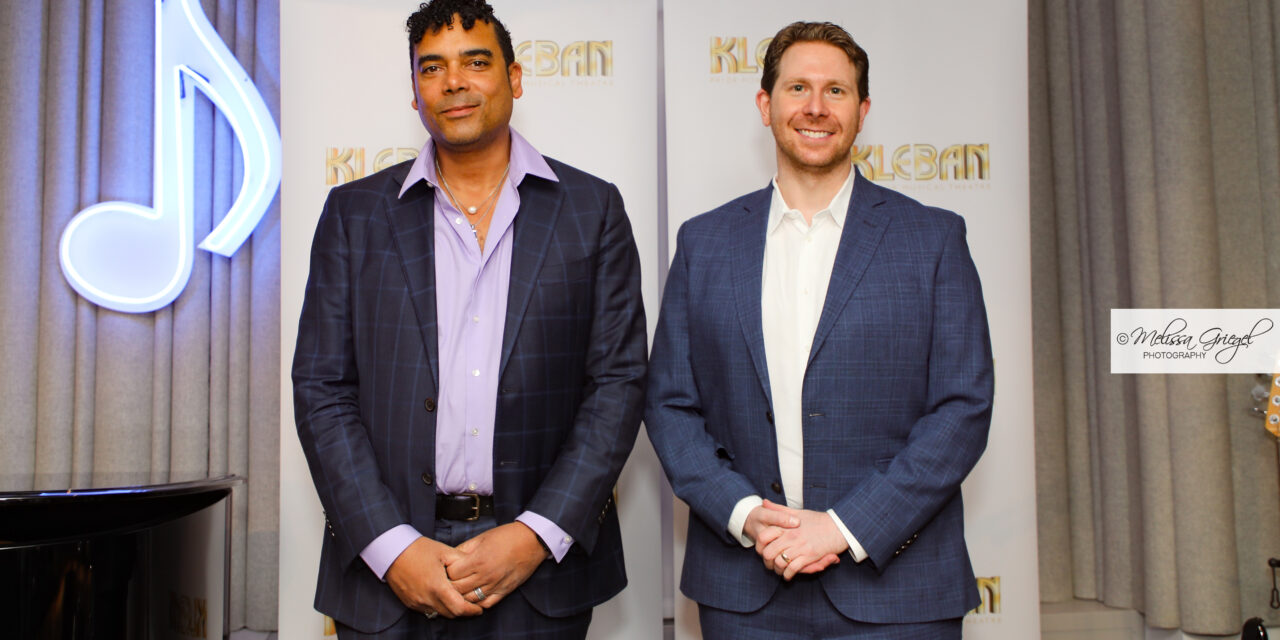
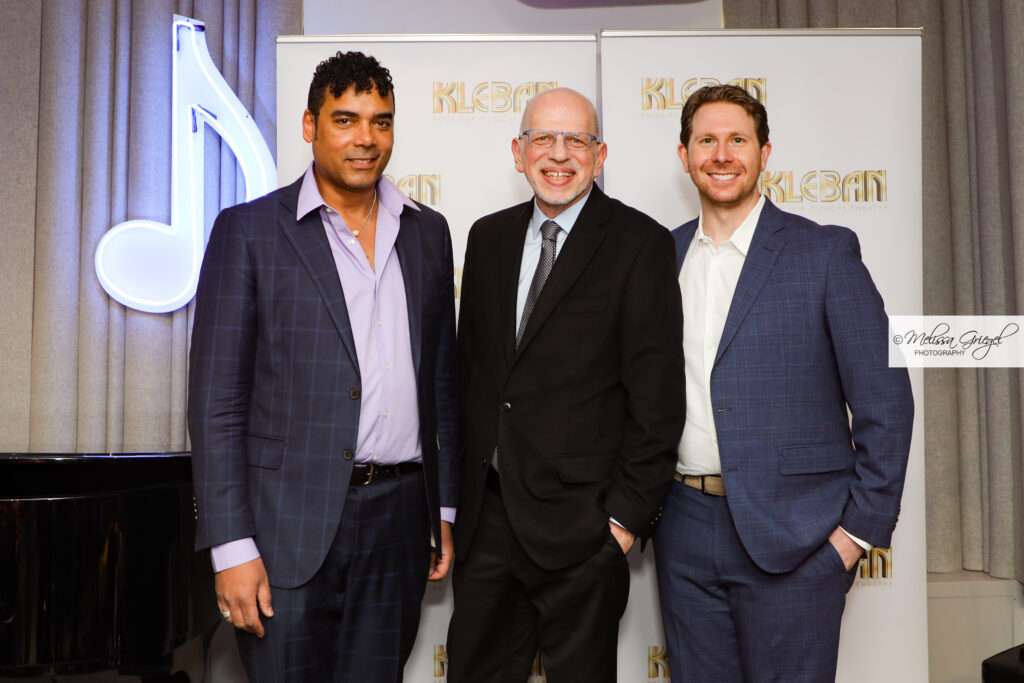
Bottom: Eric Price, Phillip Christian Smith
Theater Pizzazz was on hand to interview winners Eric Price (most promising musical theatre lyricist) and Phillip Christian Smithh (most promising musical theatre librettist), as well as Maltby and Yeston. Summaries with links to the videos appear below.
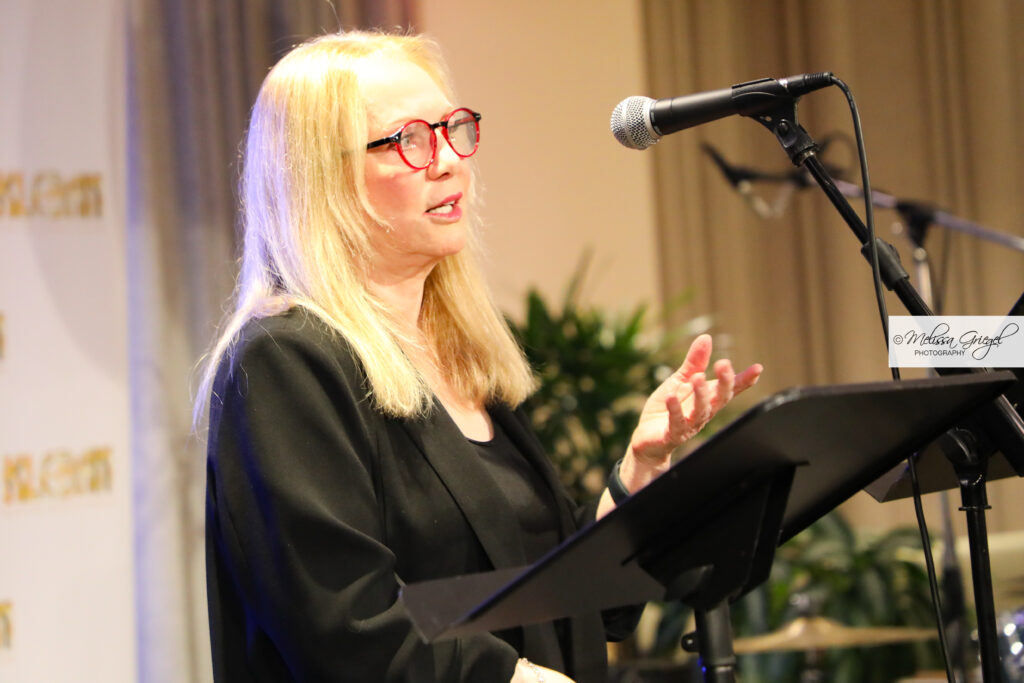
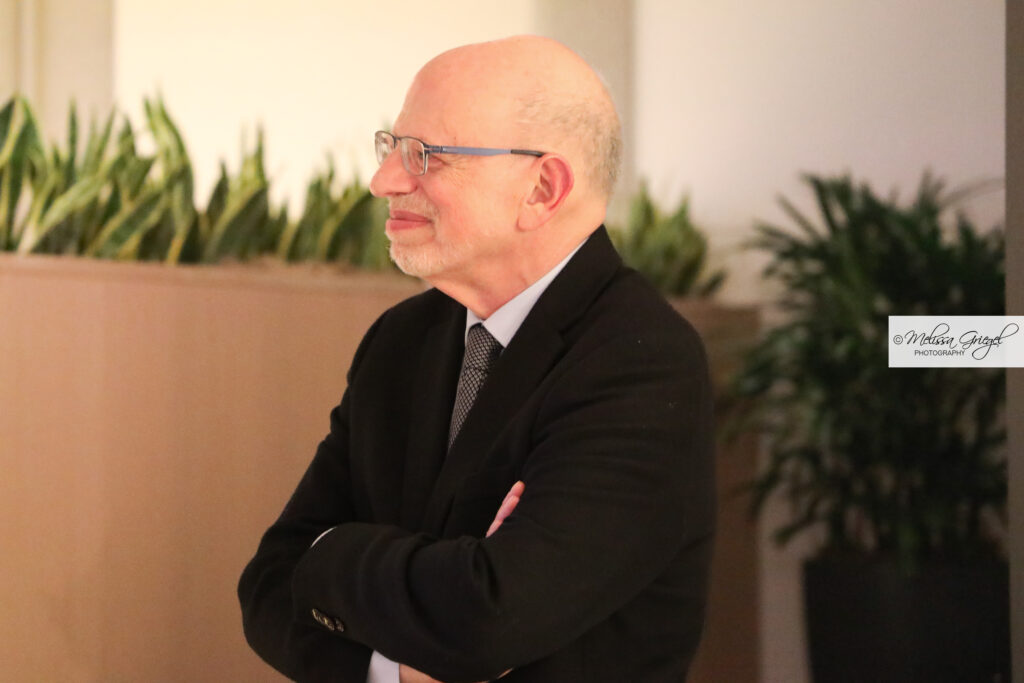
After opening remarks by ASCAP Seth Saltzman, Susan Stroman and Maltby, Smith and Price accepted their awards with touching speeches that acknowledged Kleban, and particularly A Chorus Line, for inspirations.
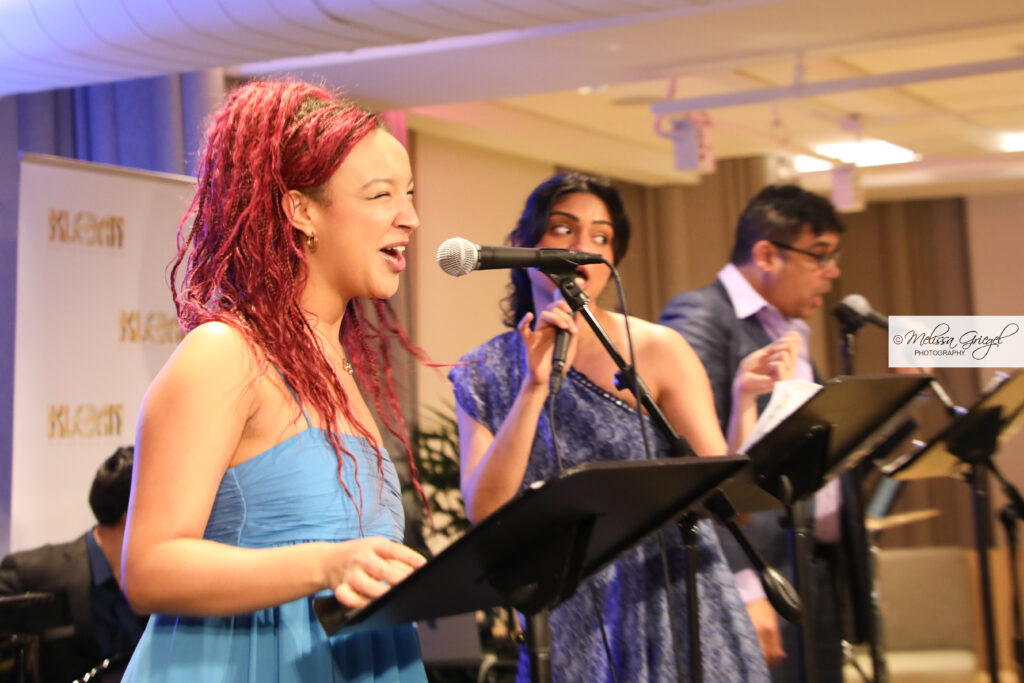
Miriam Muriith, Vaibu Mohan, Philip Christian Smith
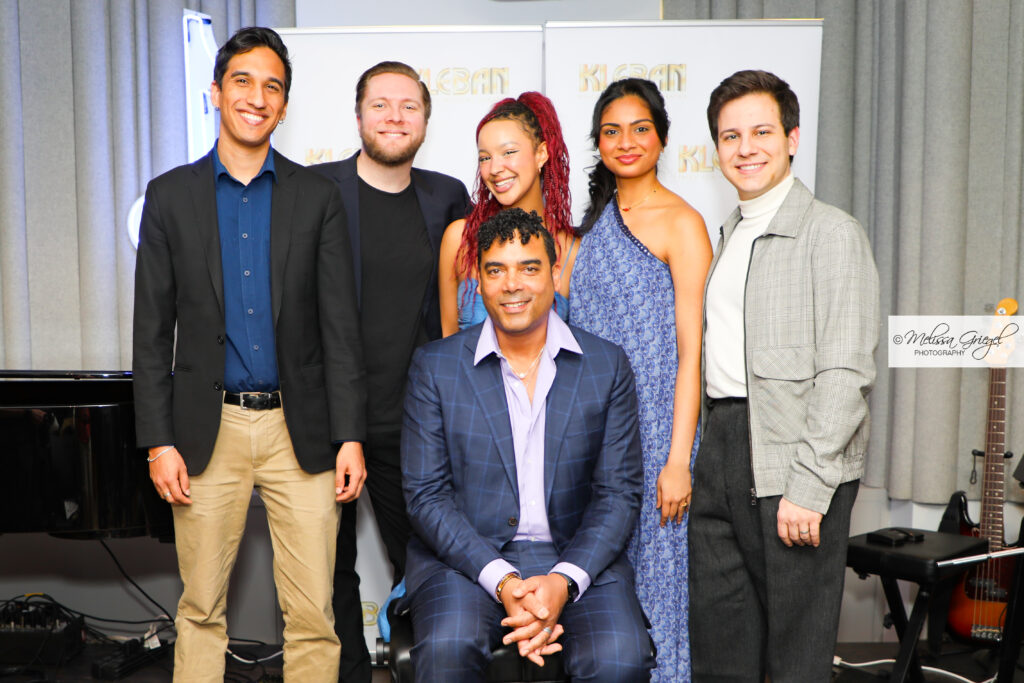
Top: Mohan Ritsema, Ryan Bilhovde, Miriam Muriith, Vaibu Mohan, Greg Paladino
Bottom: Philip Christian Smith
Smith’s speech was followed by performances of “The Nurse’s Lament” and “Medea Comes Outside” from Smith’s rap musical, Some Charter School Presents The Medea – A Rap Tragedy by Miriam Muriithi (Titus Andronicus), Vaibu Mohan, and Smith himself, with backing from Ryan Blihovde (drums), Greg Paladino (keyboard), and Mohan Ritsema (bass).
After Price spoke, he brought up his longtime musical partner, Will Reynolds, to play piano for two especially thrilling performances of numbers from their shows, including the title song from The Violet Hour, sung by Santino Fontana (Tootsie), and “Ta-Da!” from Presto Change-o, sung by Talia Suskauer (Wicked; Be More Chill).
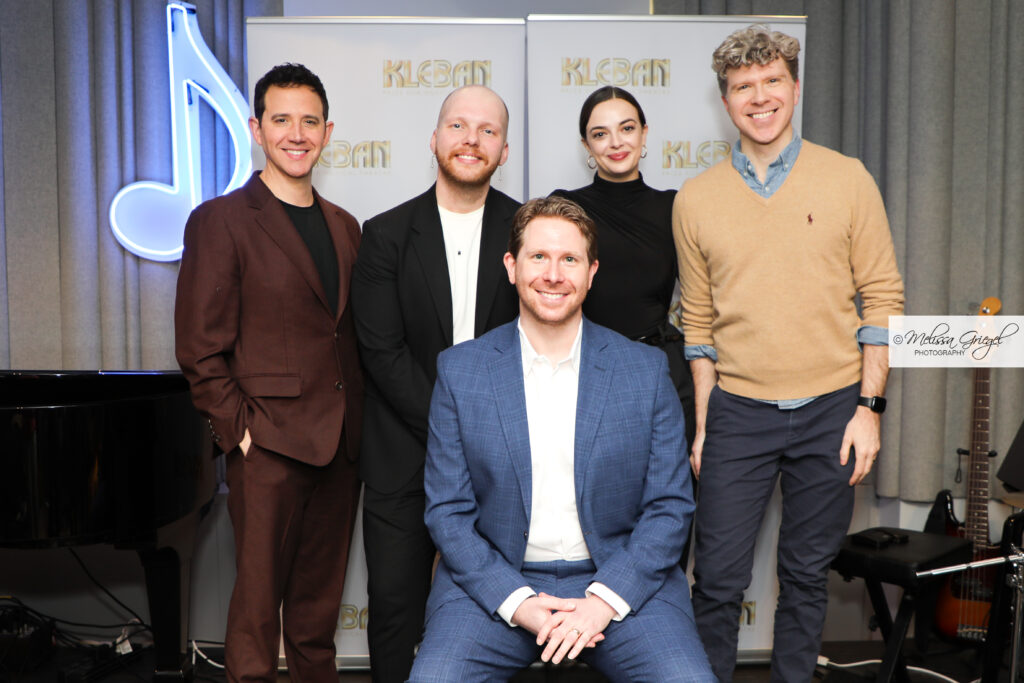
Santino Fontina, Josh Knight, Talia Suskauer, Will Reynolds, Eric Price
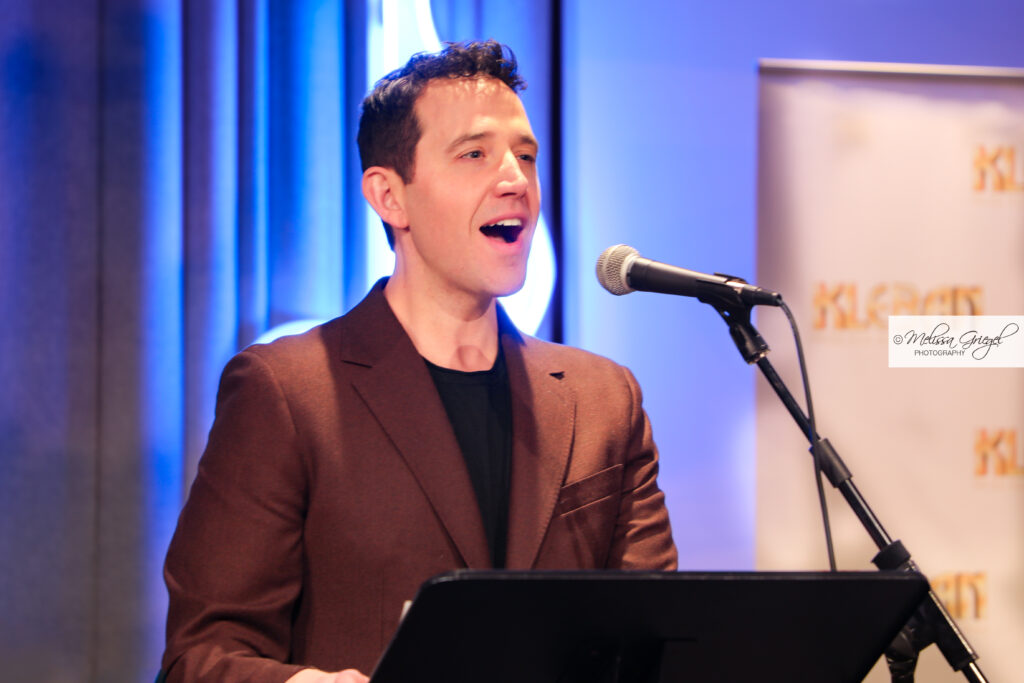
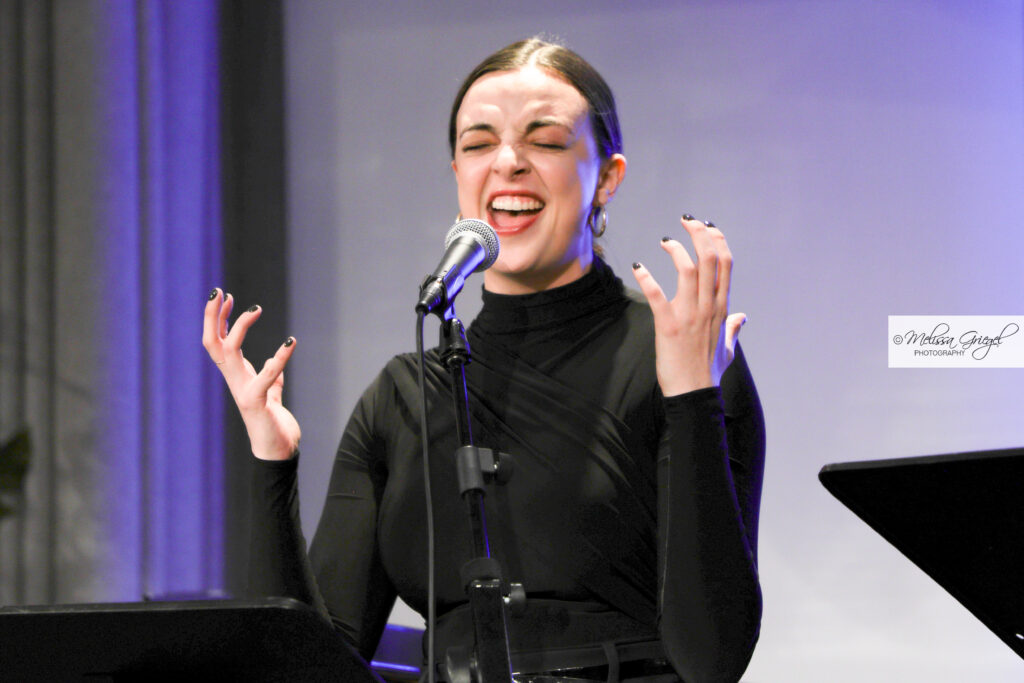
Interviews:
Richard Maltby Jr. discussed his involvement with the Ed Kleban Foundation. The foundation has awarded $100,000 in two installments annually for 35 years, totaling $7 million to 70 recipients. Maltby emphasized the foundation’s importance for writers who often struggle financially despite successful shows. He advised aspiring writers to “write what you know” and to let their authenticity shine through, as famously stated by Stephen Sondheim.
Maury Yeston discussed his journey in musical theatre, starting at a BMI workshop led by Lehman Engel, where he met future collaborators like Edward Kleban and Alan Menken. Yeston highlighted his successes, including “Nine” and “Grand Hotel,” and noted the impact of Engel’s teachings on future Broadway and film talents. He emphasized the importance of grunt work, such as learning music and lyrics, and understanding the structure of musical theatre. Yeston also contrasted past and present, noting the increased knowledge and complexity in modern musicals, and shared insights on overcoming obstacles in storytelling.
Eric Price, the winner of the Kleban Prize for Most Promising Musical Theater Lyricist, expressed his gratitude and pride in receiving the award, which provides him with the freedom and endorsement needed to continue his work. He described his varied writing process, which often involves collaboration and multiple rewrites. Price recalled his early passion for theatre, starting as a child actor and writer, and his professional journey through middle school, college, and NYU. He is particularly proud of his musical “The Violet Hour,” which features a star-studded cast and a lush orchestra, and highlights the transformative power of the “Violet Hour” as a metaphor for new beginnings.
Phillip Christian Smith won the Klee band prize for Most Promising librettist for his rap musical about a group of young girls of color in a school without a music program. The musical, which he wrote to reflect his own identity, is a rap musical to maintain joy and avoid a downer tone. Smith’s biggest influence is “A Chorus Line,” which moved him deeply. His favorite part of the musical is a rap where the girls express their anger about the courts controlling their bodies. Smith advises aspiring librettists to “just start writing.”
Starting Monday, February 16 at 12PM, musical theater fans can stream the 2026 Kleban Prize for Musical Theatre event exclusively at the Playbill YouTube channel (@PLAYBILLVIDEO). The application window for the 2027 Kleban Prize will open on March 16, 2026 at 10 am EDT, and will close on May 15, 2026 at 11:59 pm EDT. Guidelines for applying are available to view on New Dramatists Guild website. Click here for application: Kleban Prize application.