By Eyal Solomon, Publisher and Editor, Theater Pizzazz…
For two unforgettable hours, Hejira transported the Iridium audience back to Joni Mitchell’s groundbreaking jazz years with a performance that was both breathtakingly authentic and thrillingly alive.
Hejira – A Tribute to Joni Mitchell
Iridium, New York City
July 14, 2026
On an otherwise ordinary Tuesday evening, the UK ensemble Hejira resurrected a magical moment in American music history.
Just as she had established herself as the defining voice of the Laurel Canyon singer-songwriter movement, Joni Mitchell made a dramatic turn in the mid-1970s. She surrounded herself with some of the finest musicians of her generation, creating an astonishing run of albums that included The Hissing of Summer Lawns (1975), Hejira (1976), Don Juan’s Reckless Daughter (1977), and Mingus (1979). The music became longer, freer, and harmonically richer, abandoning conventional verse-chorus forms for fluid musical conversations. The period culminated in the Shadows and Light tour, captured on the 1980 live album that remains one of the greatest concert recordings ever released.
That tour featured a jazz Hall of Fame lineup. Jaco Pastorius turned the fretless bass into a lyrical lead instrument; Pat Metheny, who at the time was redefining contemporary jazz guitar along with keyboardist Lyle Mays; Saxophone innovator Michael Brecker and versitile rythmist Don Alias. And only Joni Mitchell could bring them together.
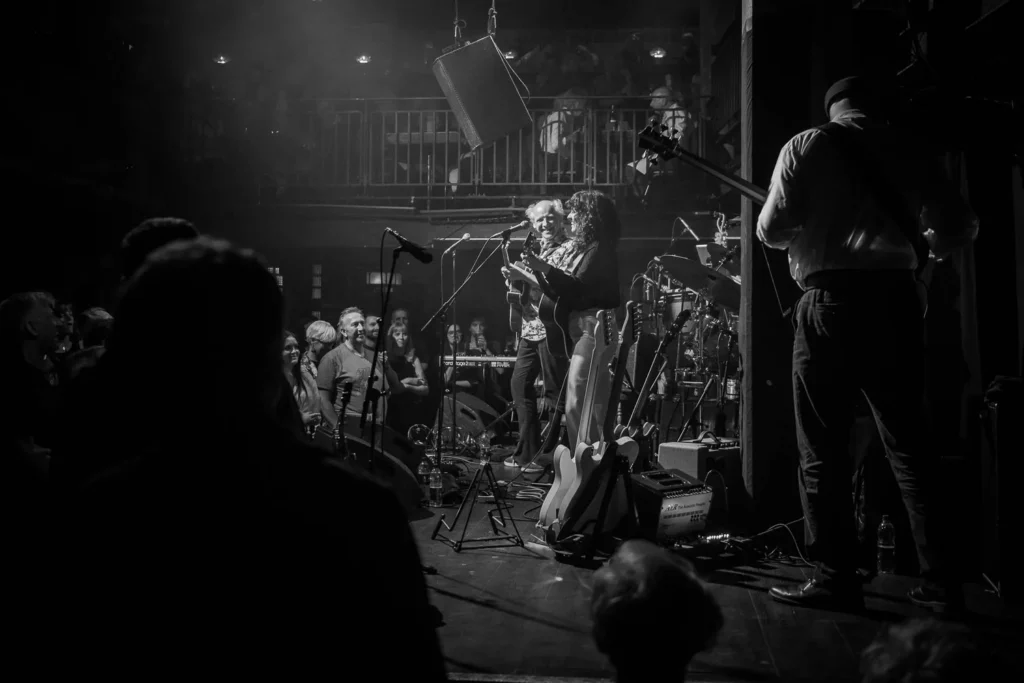
It is precisely this remarkable period that inspired British guitarist Pete Oxley to form Hejira. Rather than reproducing familiar recordings note for note, Oxley built a band capable of recreating the spirit of Mitchell’s late-1970s performances, where improvisation, interaction, and musical conversation mattered as much as technical accuracy. That approach was evident throughout the Iridium performance. It is a delicate balance, and one Hejira has clearly refined through years of international touring.
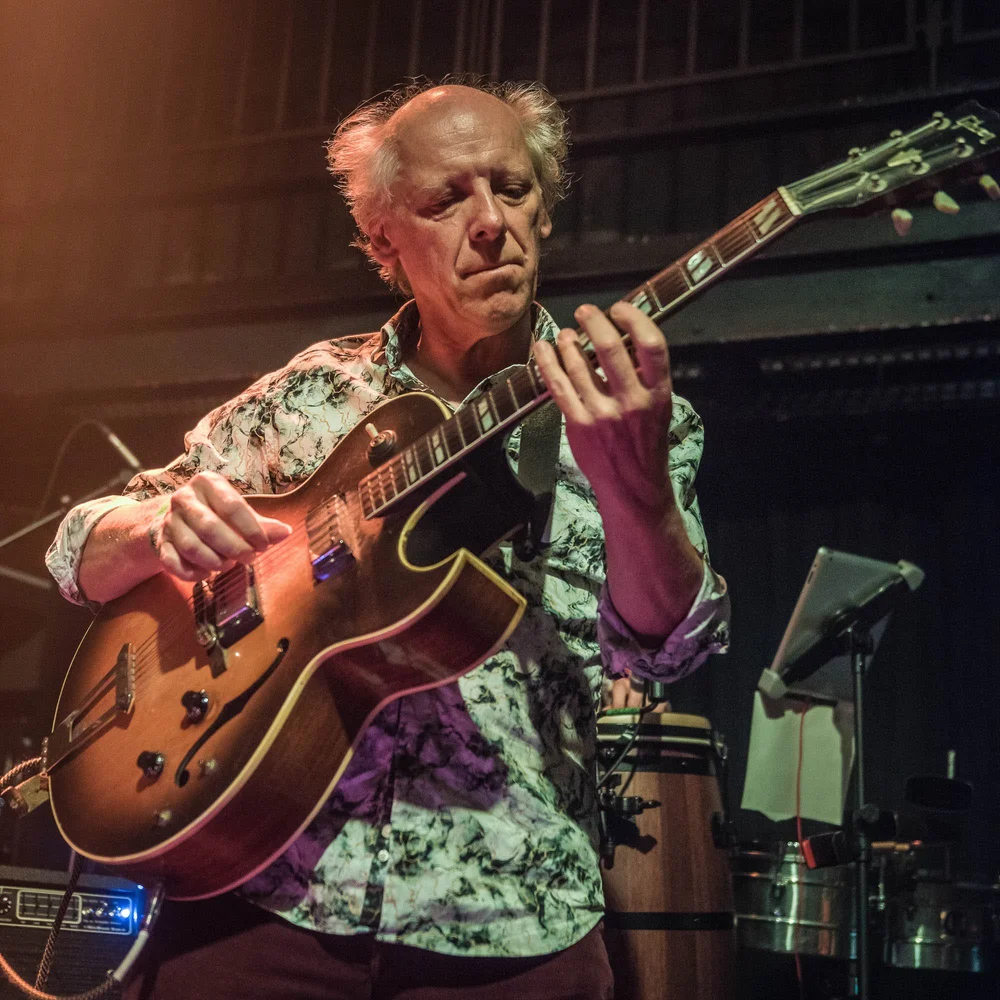
Oxley proved to be the evening’s understated center of gravity. A veteran jazz guitarist and composer, he delivered tasteful guitar work. His recreation of Pat Metheny’s celebrated solo from the Shadows and Light concert was impressive, to say the least.
Bassist Dave Jones faced perhaps the evening’s most intimidating assignment: occupying the musical space once held by Jaco Pastorius. Moving effortlessly between fretted and fretless bass, he echoed Jaco’s melodic approach and conversational phrasing. It was one of the evening’s finest performances.
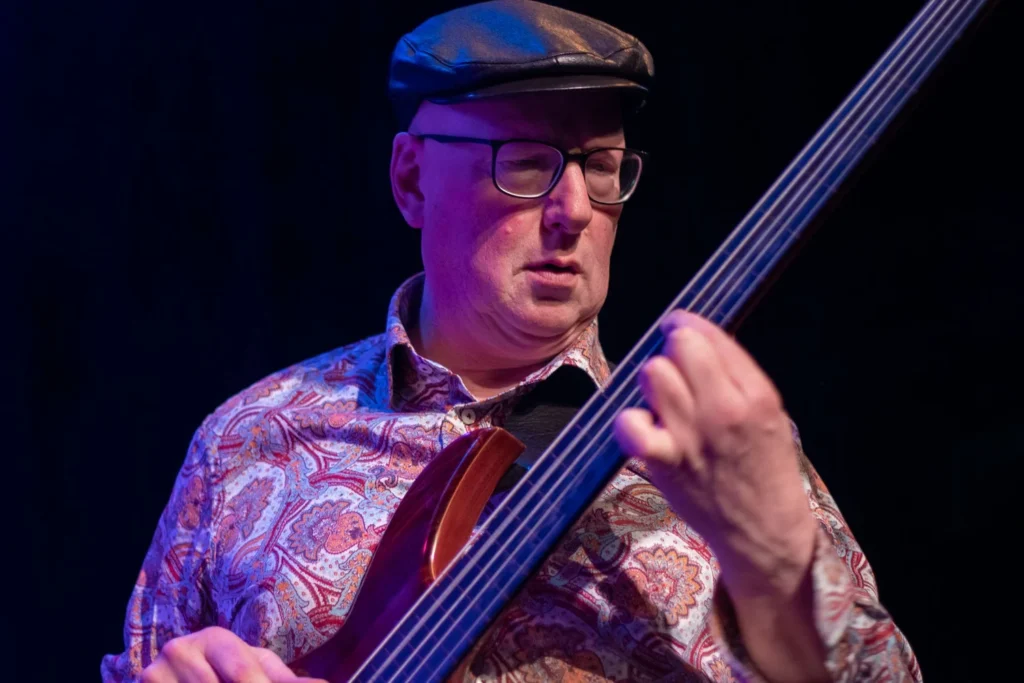
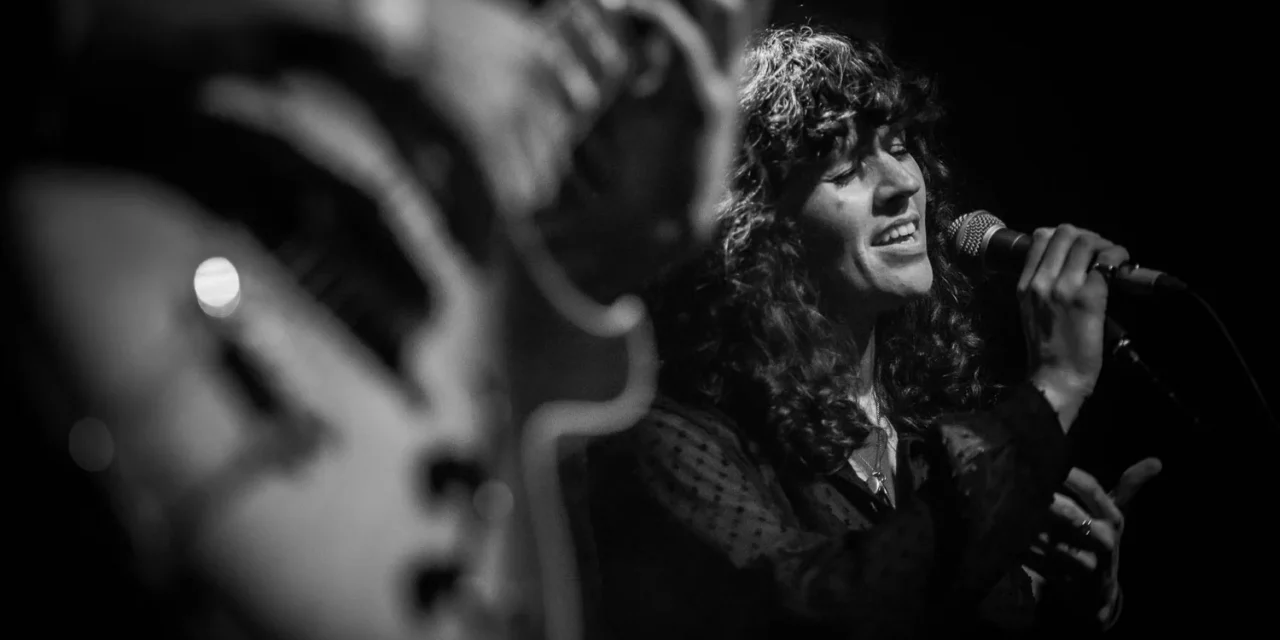
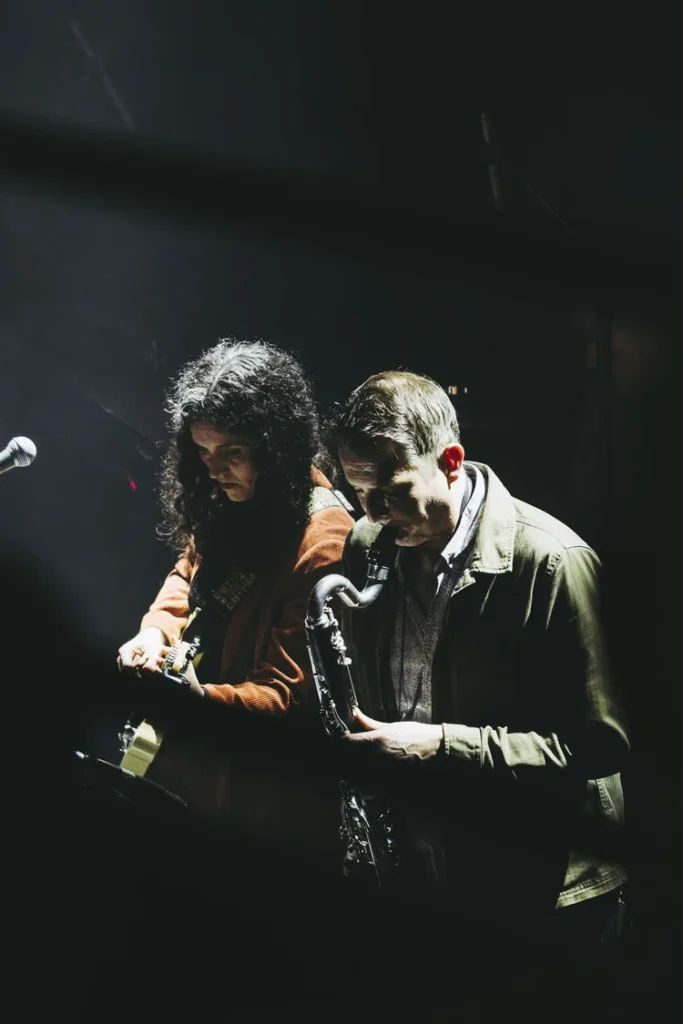
As impressive as the instrumentalists were, vocalist and guitarist Hattie Whitehead carried the greatest burden, . and. She wisely avoided impersonation, capturing Mitchell’s spirit rather than her mannerisms, evident in her sentimental interpretation of JM’s ‘Amelia’. Equally impressive was her guitar work. Switching instruments and alternate tunings seemingly with every song, she navigated Mitchell’s famously idiosyncratic harmonic world with remarkable ease.
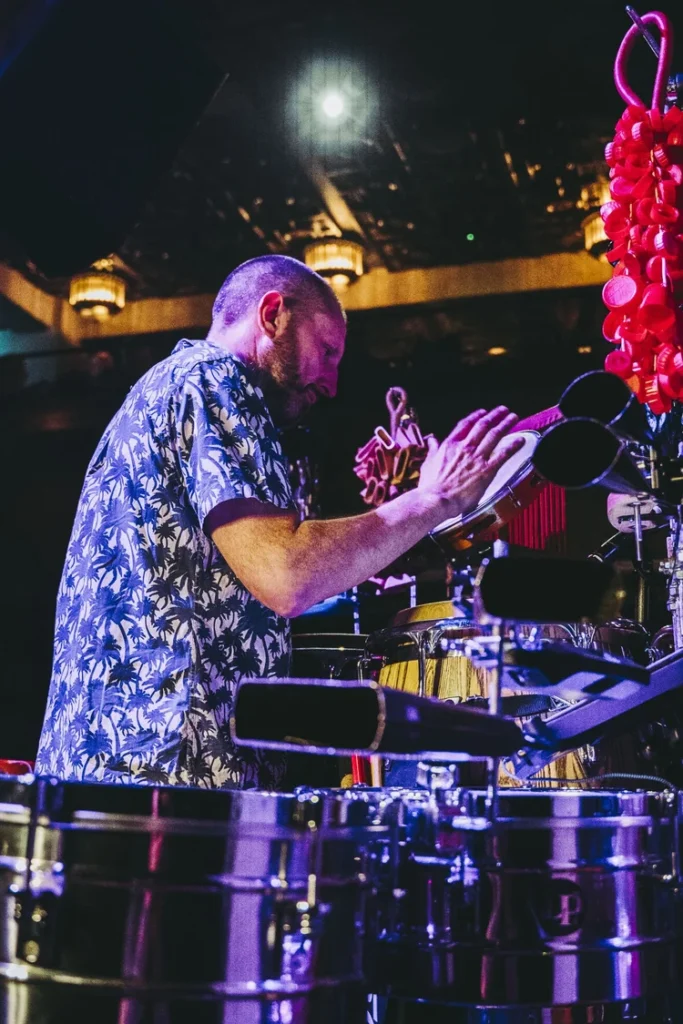
The remainder of the ensemble likewise succeeded by channeling rather than copying their legendary predecessors. Ollie Weston evoked the muscular lyricism of Michael Brecker, delivering solos that balanced power with melodic intelligence. Chris Eldred assumed the Lyle Mays role beautifully, surrounding the music with lush keyboard textures, and Rick Finlay and Marc Cecil handled the rhythmic responsibilities inspired by Don Alias with sensitivity and restraint.
Perhaps the greatest compliment one can pay Hejira is that, for two hours, they made this impossibly sophisticated music feel utterly natural. Pete Oxley and his remarkable colleagues understand that distinction completely. Rather than presenting a museum piece, they recreated a living musical conversation, one that continues to sound as fresh and daring today as it did nearly half a century ago.
Hejira tours extensively throughout the UK, Europe, and internationally. For tour dates and more information, visit the Hejira project website.