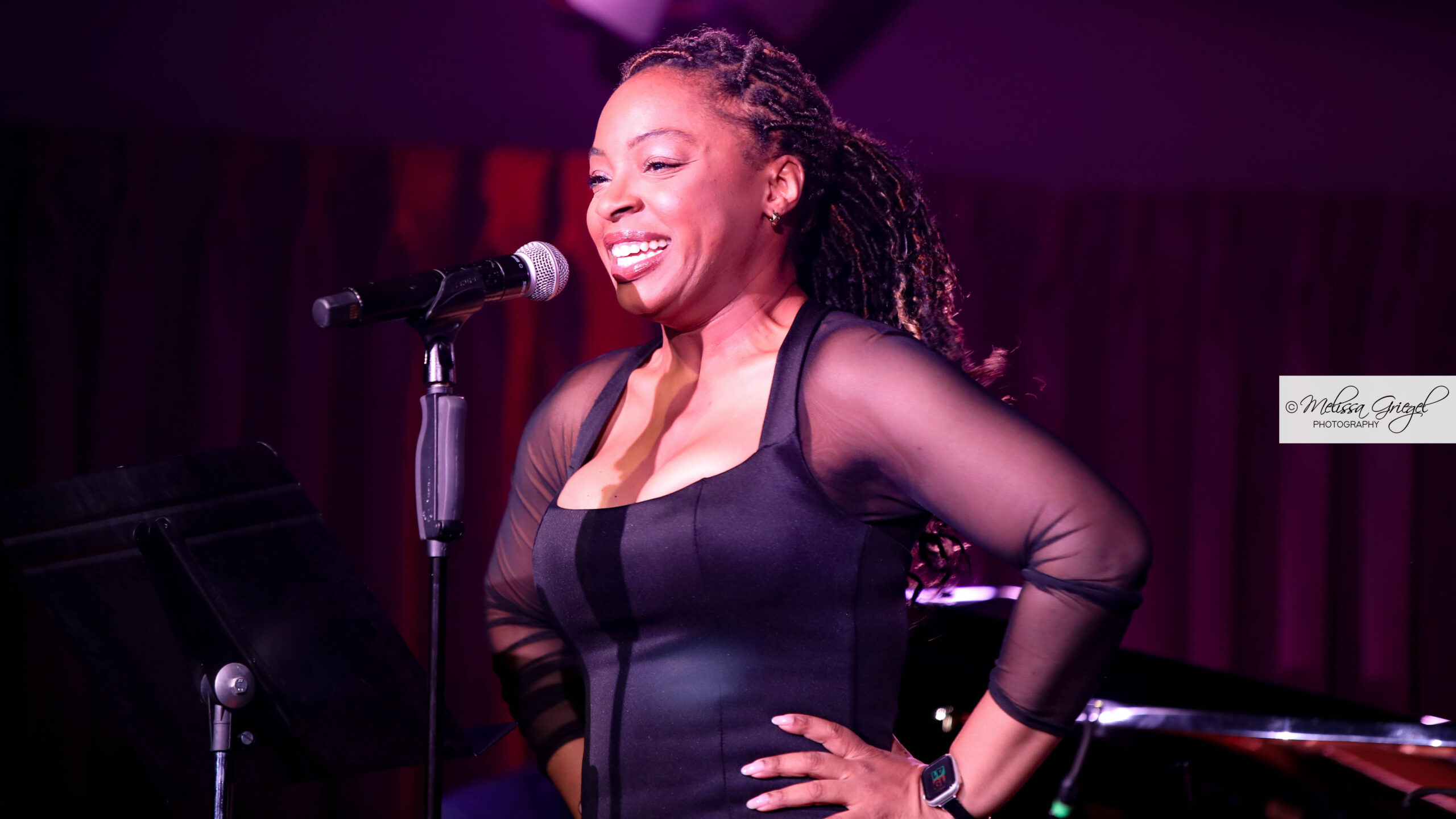
by Melissa Griegel …
Photos by Melissa Griegel Photography
At a 54 Below Staff Show three years ago, I was completely blown away by the talent of Pier Lamia Porter, known to everyone as “Mia”. The audience response was overwhelming and she received an enthusiastic standing ovation. I immediately wondered why this treasure is not starring on a Broadway stage. Her August 17th, 2026 solo show at The Green Room 42 : “The Humbling of Me…Plus 40” answered my question, while simultaneously confirming my belief that this powerhouse should be on stage.
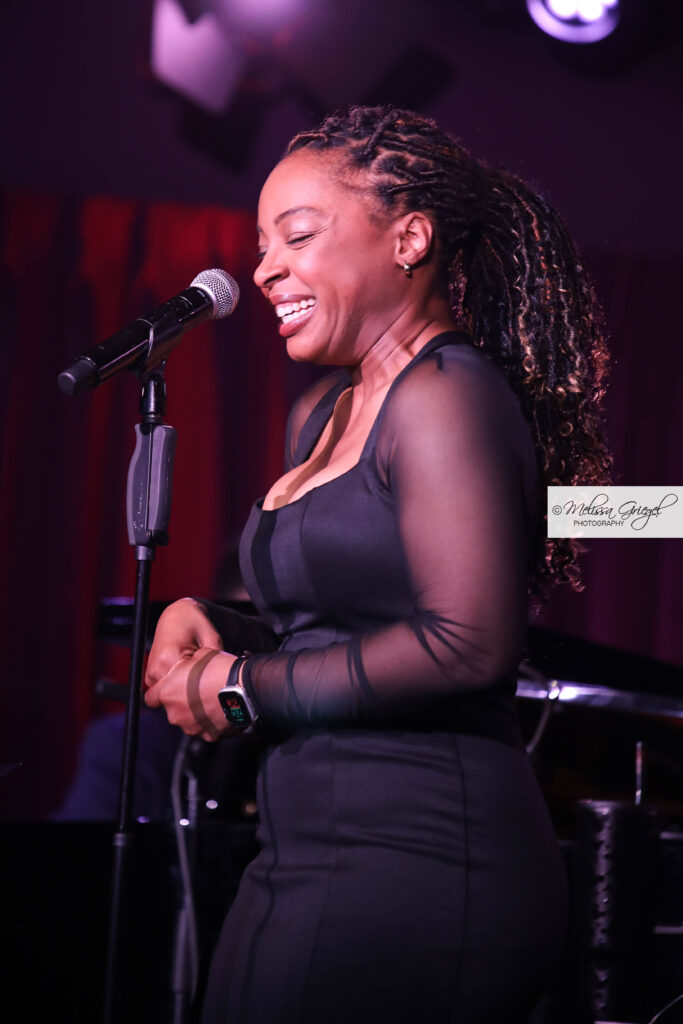
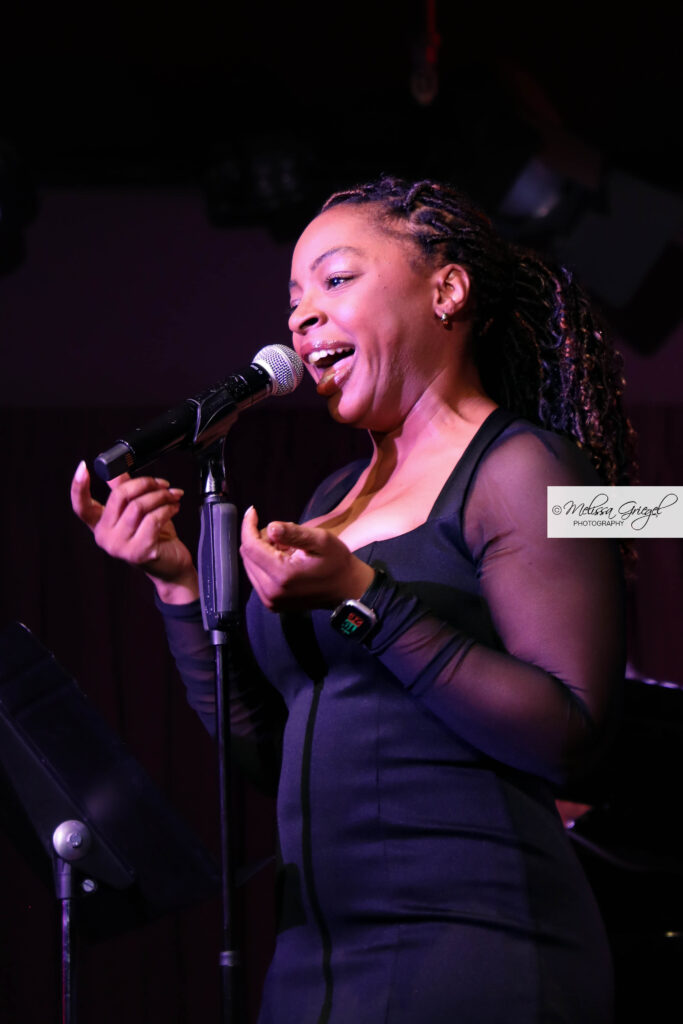
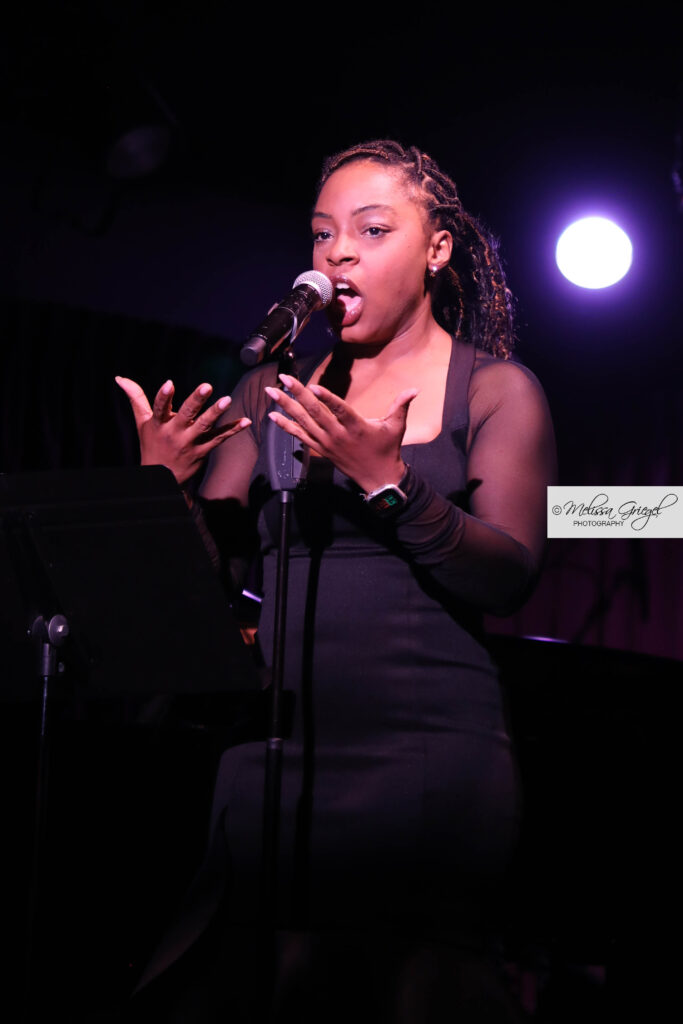
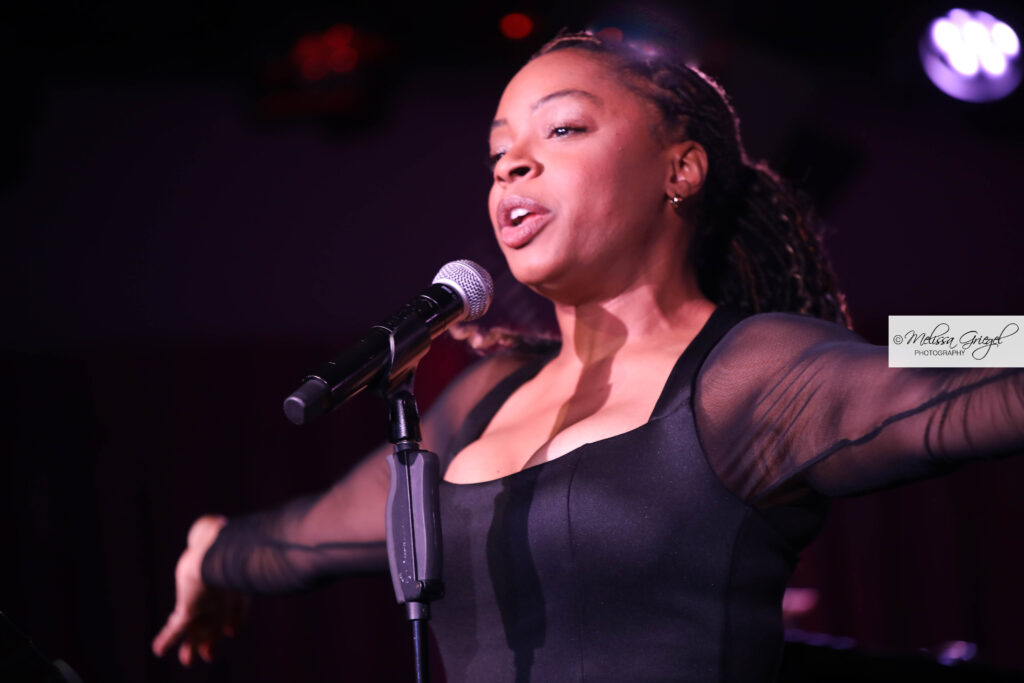
Pier Lamia Porter
As Deputy Programming Director of 54 Below, this former opera singer co-produced the show “NYC Rising Opera Stars” and is the producer and creator of the “Make Them Hear You” series which highlights Black musical talent. Mia holds a Bachelor of Music in Opera Performance and has done regional musical theater. She has garnered a lot of love and support from the 54 Below “regulars”, many of whom showed up to hear her cabaret. The room was also filled with friends, family, and a few stars such as Lillias White, Leroy Reams, and Natalie Douglas.
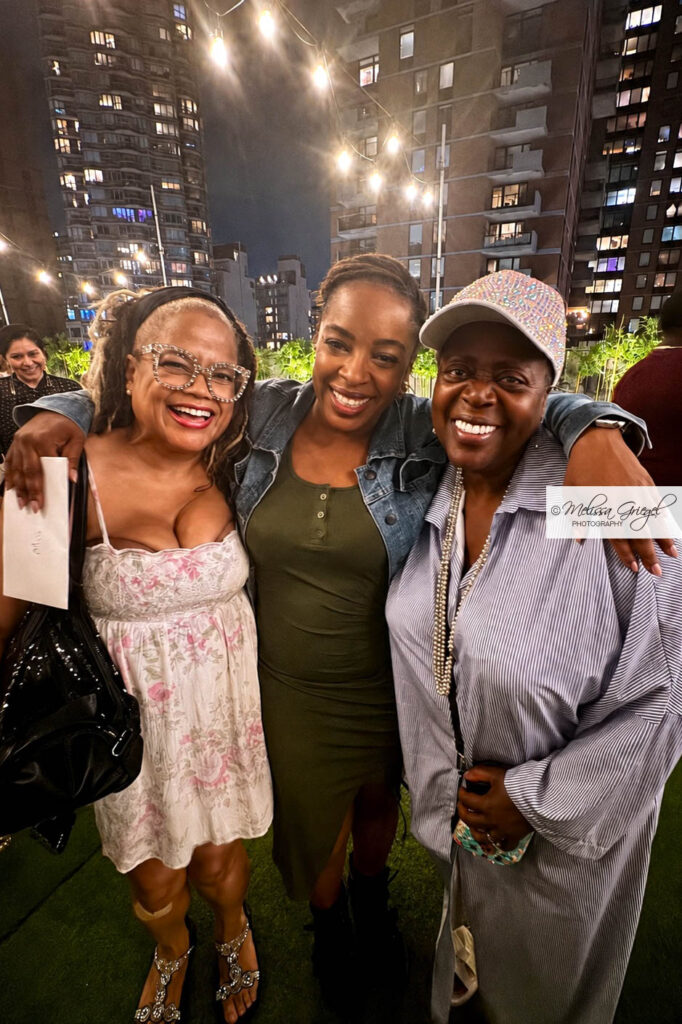
Natalie Douglas, Pier Lamia Porter, Lillias White
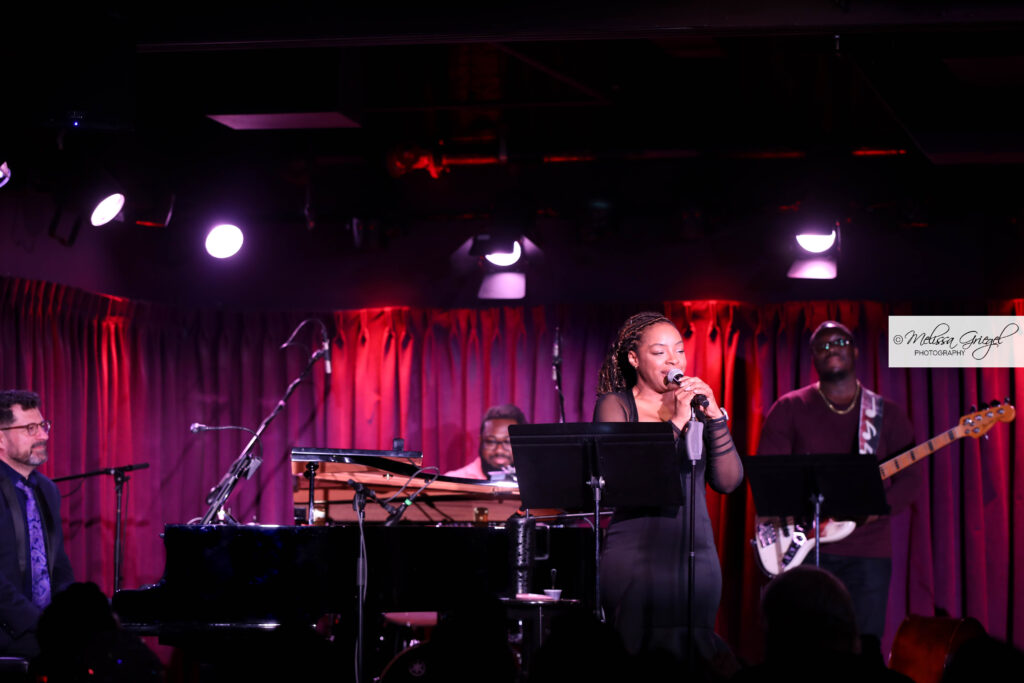
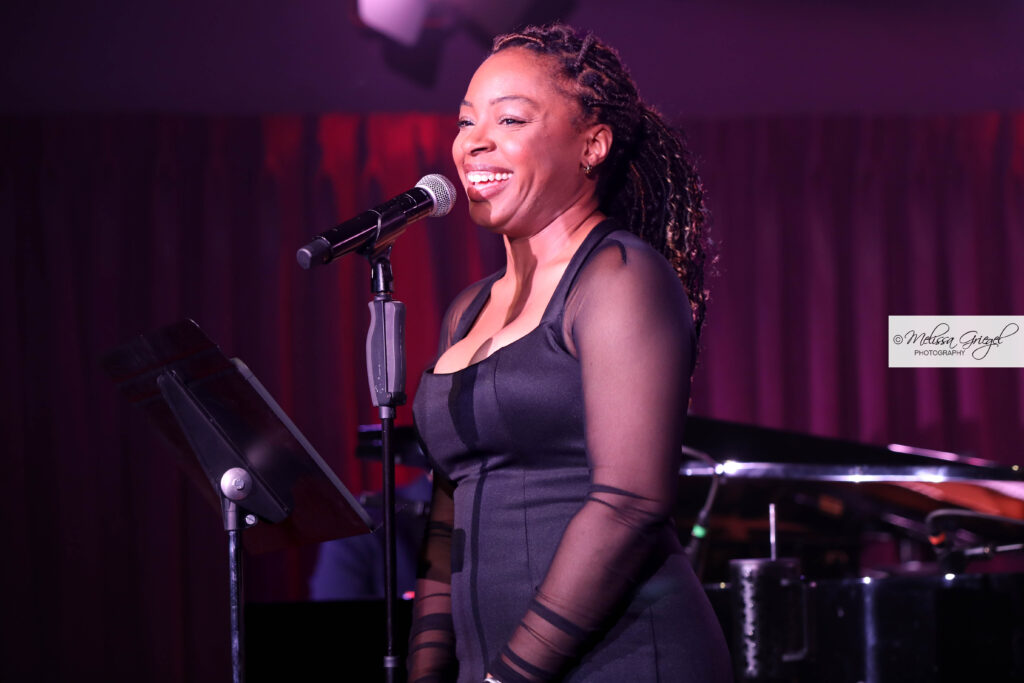
When I first heard her sing Whitney Houston’s “I’m Your Baby Tonight”, I got to hear her sultry, full-bodied vocals and see her R&B swagger, with a wonderful arrangement by her drummer Brandon Jackson. At her show at The Green Room 42, she reprised that song and also showcased the full-range of her vocal talents which also include high operatic notes and the fun, sometimes fast-paced phrasing of musical theater. In a gorgeous fitted black mermaid-hem dress, Mia began the show with a mash-up of the blues-inflected jazz standards “Black Coffee” and “Mean to Me” and then proceeded to tell the welcoming crowd about her musical journey through stories and songs.
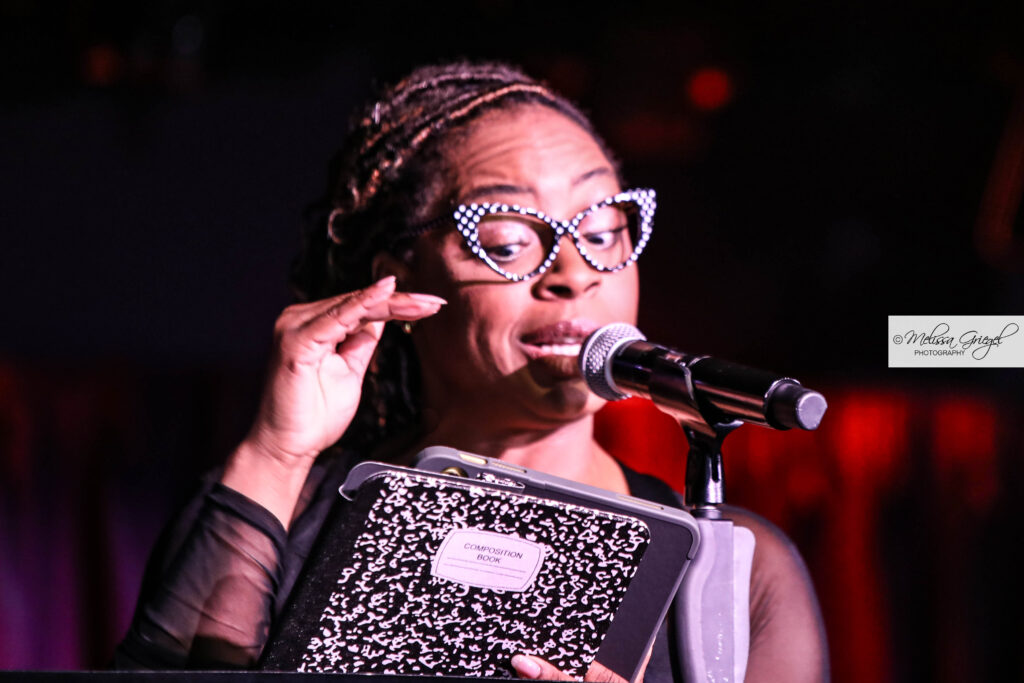
In celebration of her 40th trip around the sun, Mia put together a show with songs she loves, sprinkled with horrible audition tales, humorously “reading” auditions-gone-wrong stories from her composition book with her polka-dot glasses on. With a comical self-deprecating tone, she re-enacted some of her auditions, explaining the difficult transition from the world of classical music and opera to musical theater, and not knowing quite how to nail the audition. This, in part, answered my question about why this stunning singer chose to work behind-the-scenes in the musical space.
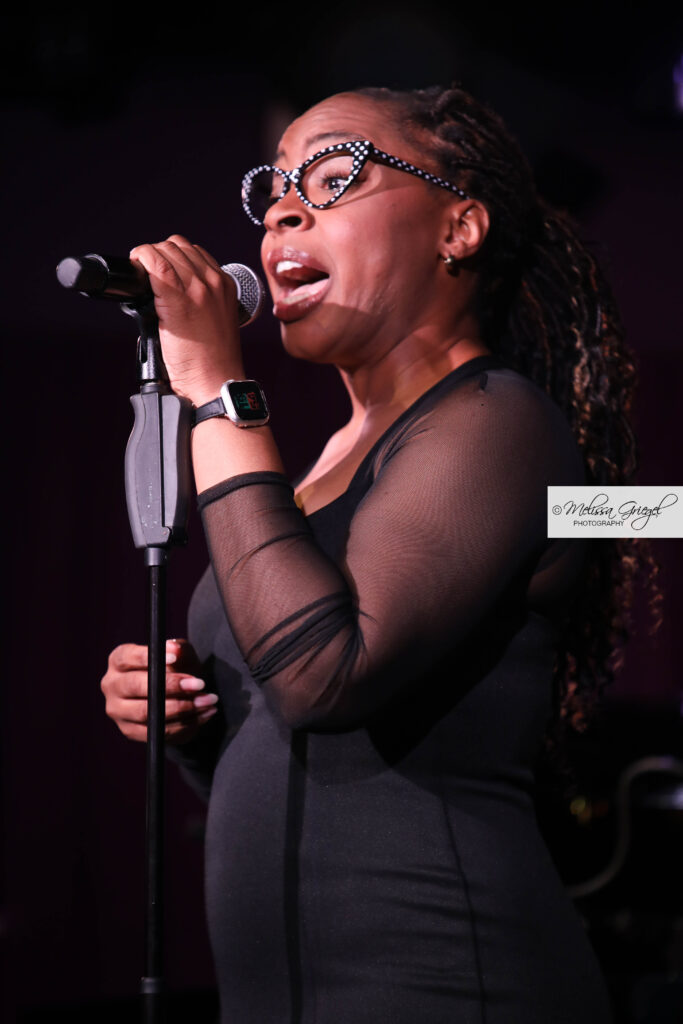
The second part of the answer is of a more serious nature. She reflected upon her experience entering the theater industry as a woman of color from an operatic background, navigating systemic typecasting and racial bias that limited her roles to harmful stereotypes. “I unknowingly threw myself into a world rife with typecasting and general bias based on where you went to school,” she said. “A world in which, as a young Black woman, my only choices were to be the sassy Black sidekick or the trauma victim trope. Now, the martyrdom versus cowardice battle comes into play here because, in the throes of my ignorance, I somehow managed to do both.”
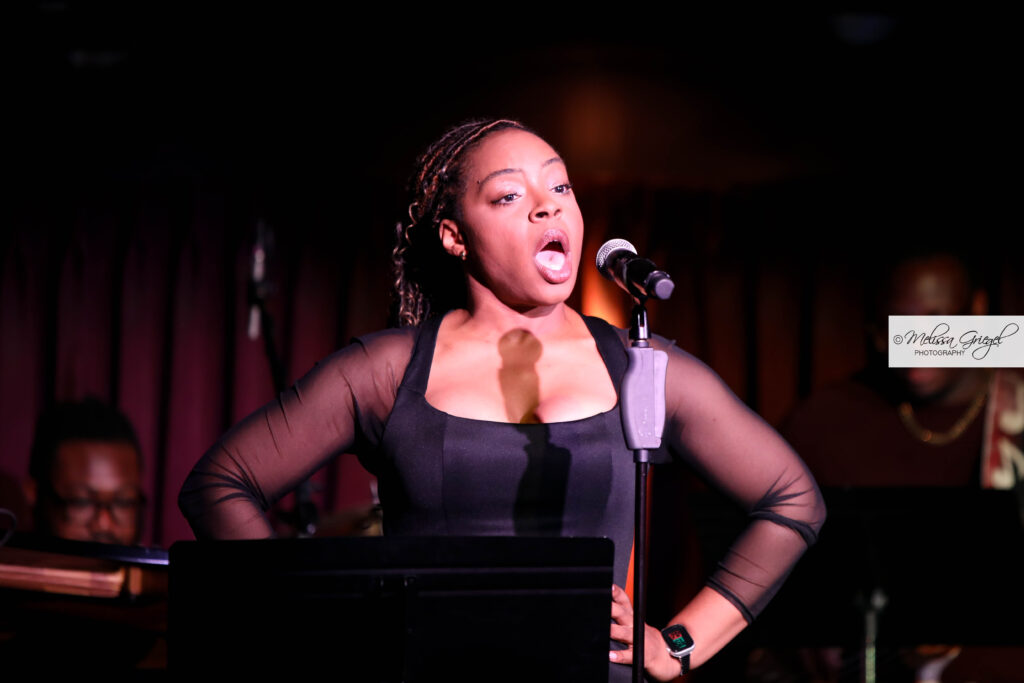
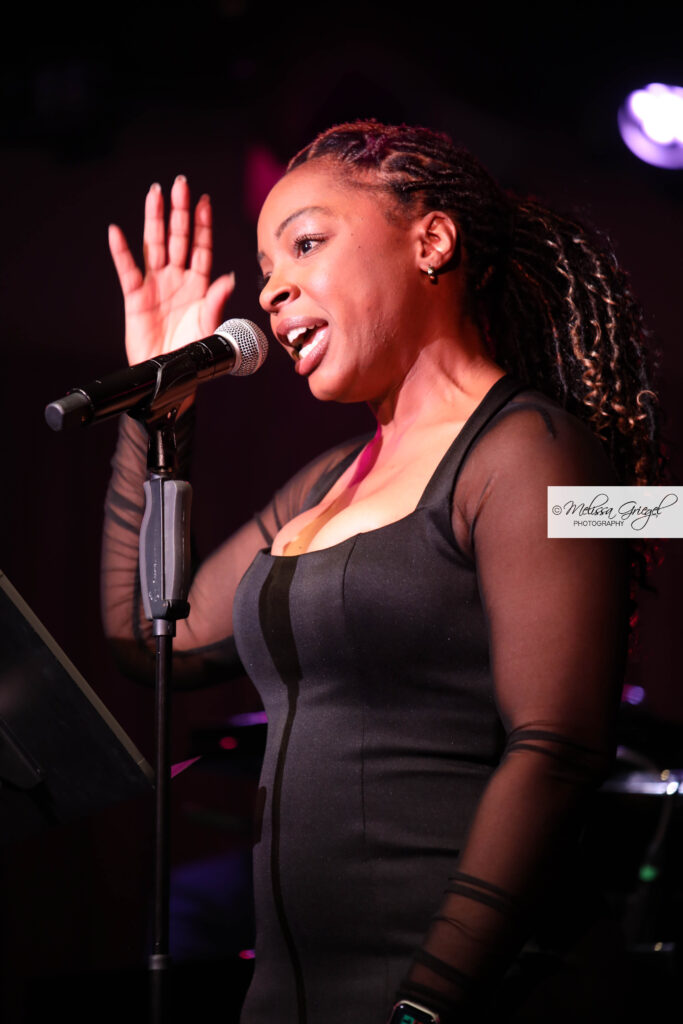
She continued, “I embraced the tropes thrust upon me. I strategically picked songs I thought the room would want to hear instead of choosing things I knew worked for me as an artist and singer. Smiled and said everything was fine; became disingenuous. Now the martyr reared her head for several reasons while you all thought that first sentence was dramatic. While faltering under the weight of this self-imposed acclamation, I started asking myself why? Why am I doing this? Why am I so unhappy? Why am I starting to sing poorly? Why am I not advocating for myself? I had a full panic attack during a callback for a show due to not advocating for myself and saying yes instead of no.”
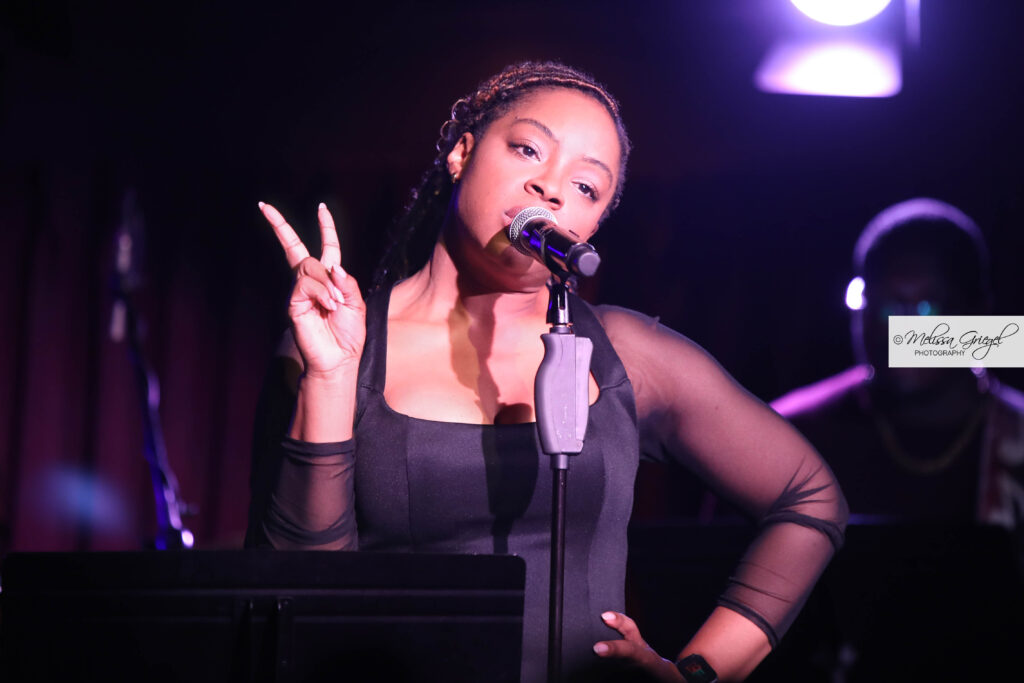
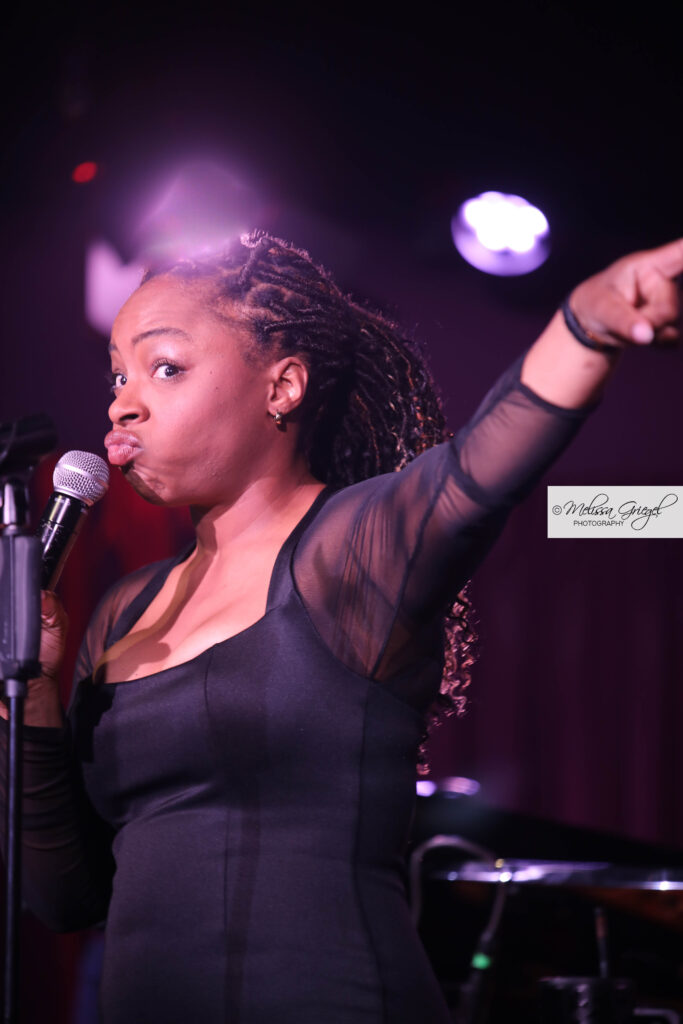
She revealed that the exhausting paradox of being labeled “difficult” or an “angry Black woman” when standing up for herself led to her ultimately finding that neither approach preserved her creative joy. This show however, was full of joy as we got to hear the fun chirpiness of “Can’t Stop Talkin'”, from Let’s Dance, the silliness of “Sal Tlay Ka Siti” from Book of Mormon, and an audition re-enactment before “Privilege to Pee” from Urinetown. Her “Violetta’s Excerpt” from Pretty Woman let us sample her operatic notes, and “Mama’s Broken Heart” gave us a little flair of her love of country music.
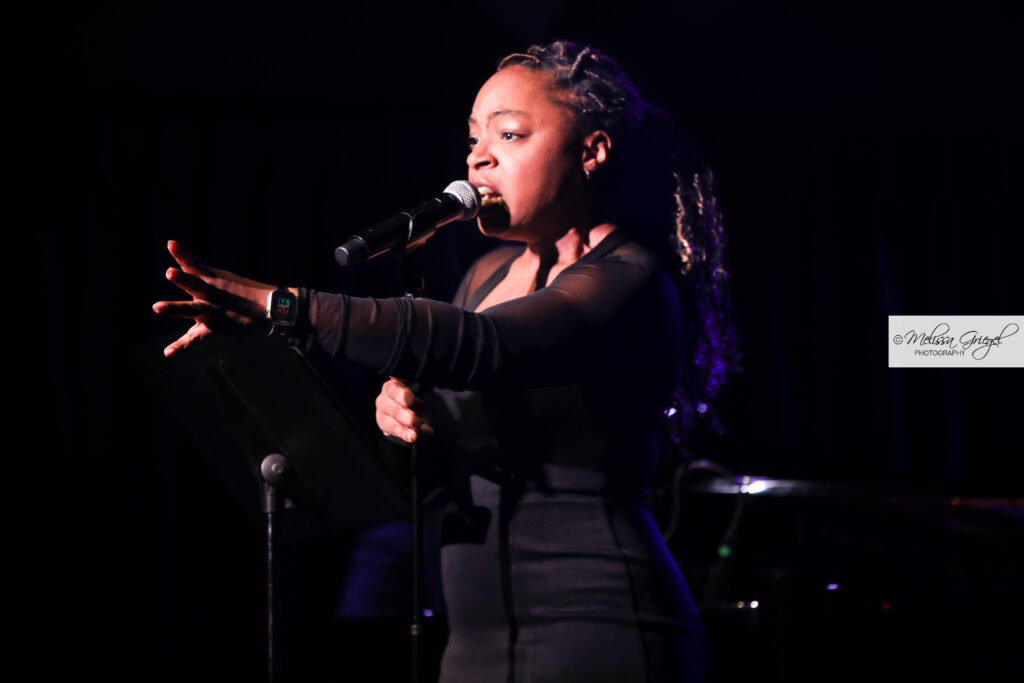
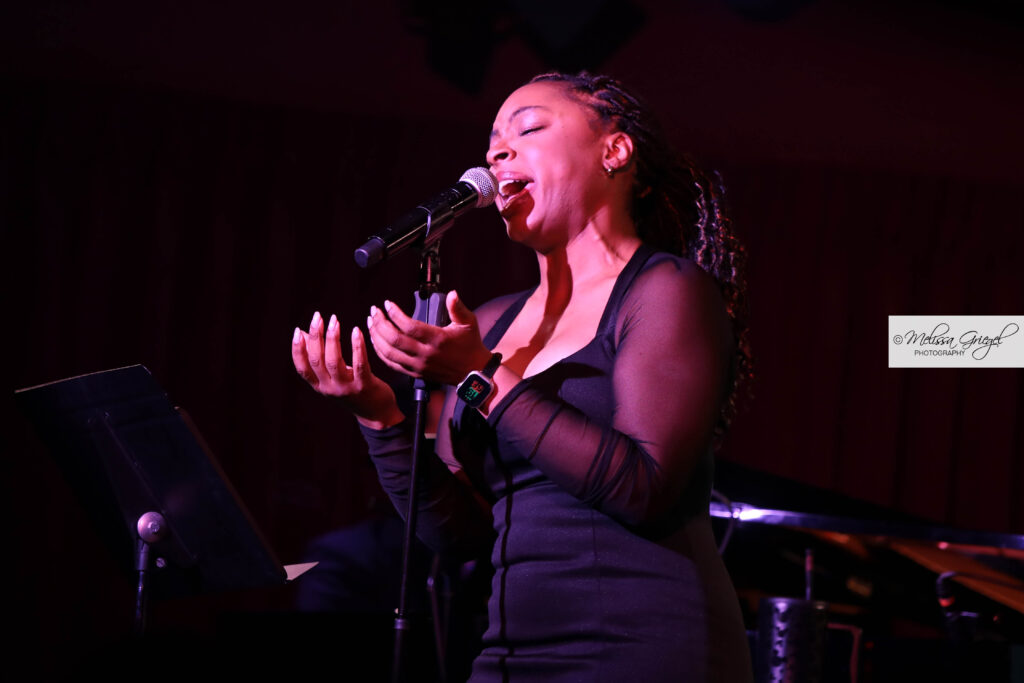
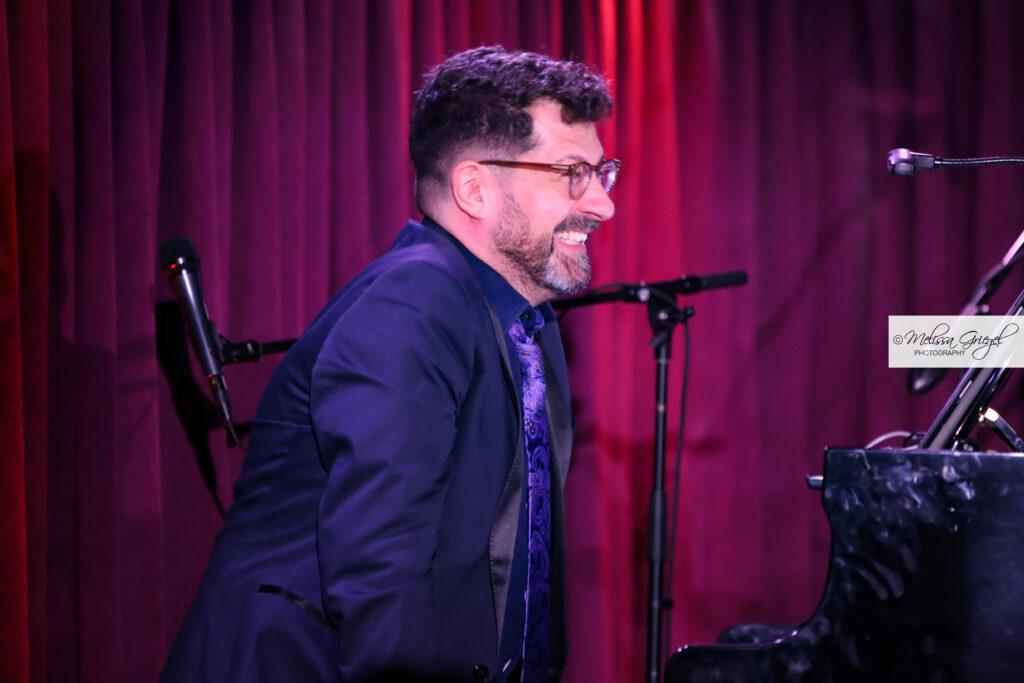
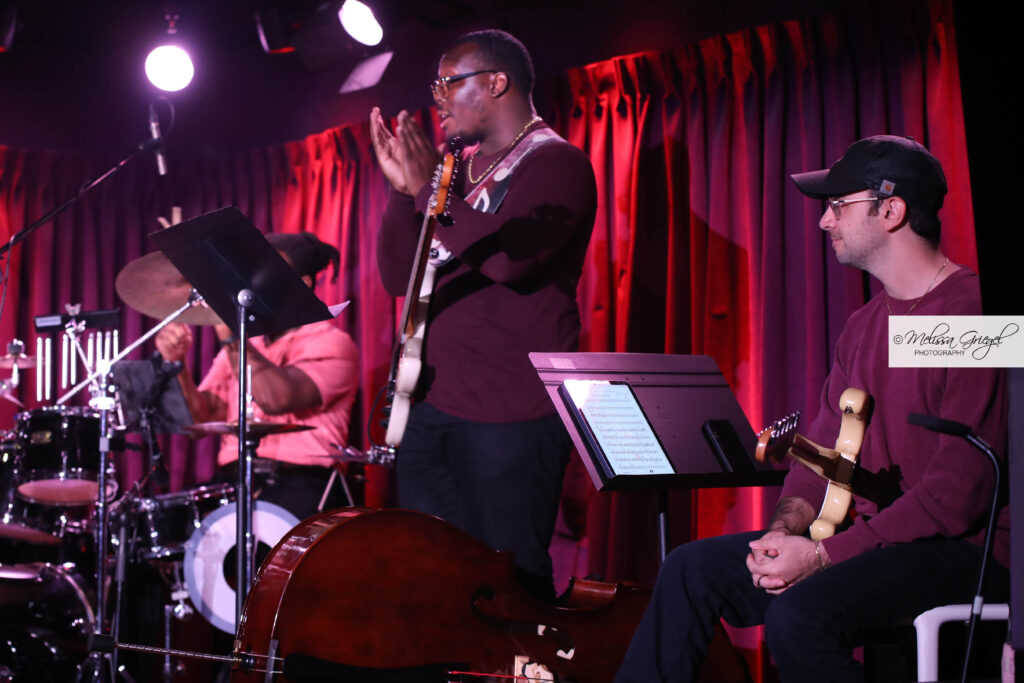
My favorite songs were those in which Mia used full-bodied vocals for strong and powerful renditions of “The Witch” from Big Fish, “Easy as Life” from Aida, and the always-moving “Your Daddy’s Son” from Ragtime. At one point, Mia joked, “I’m here all night! Just kidding.” I wish she were. I would have happily listened to another hour of her storytelling and songs. Mia was backed by long-time collaborator Jason Wetzel as her music director, with AJ Jagganath on guitar, Criston Oates on bass, and Brandon Jackson on drums. I look forward to the next opportunity to hear Mia sing.